
In a world saturated with screens, South Africans stand out. A recent study reveals that the nation ranks second globally for time spent watching TV, with citizens dedicating an average of 24.67% of their waking hours to the small screen.
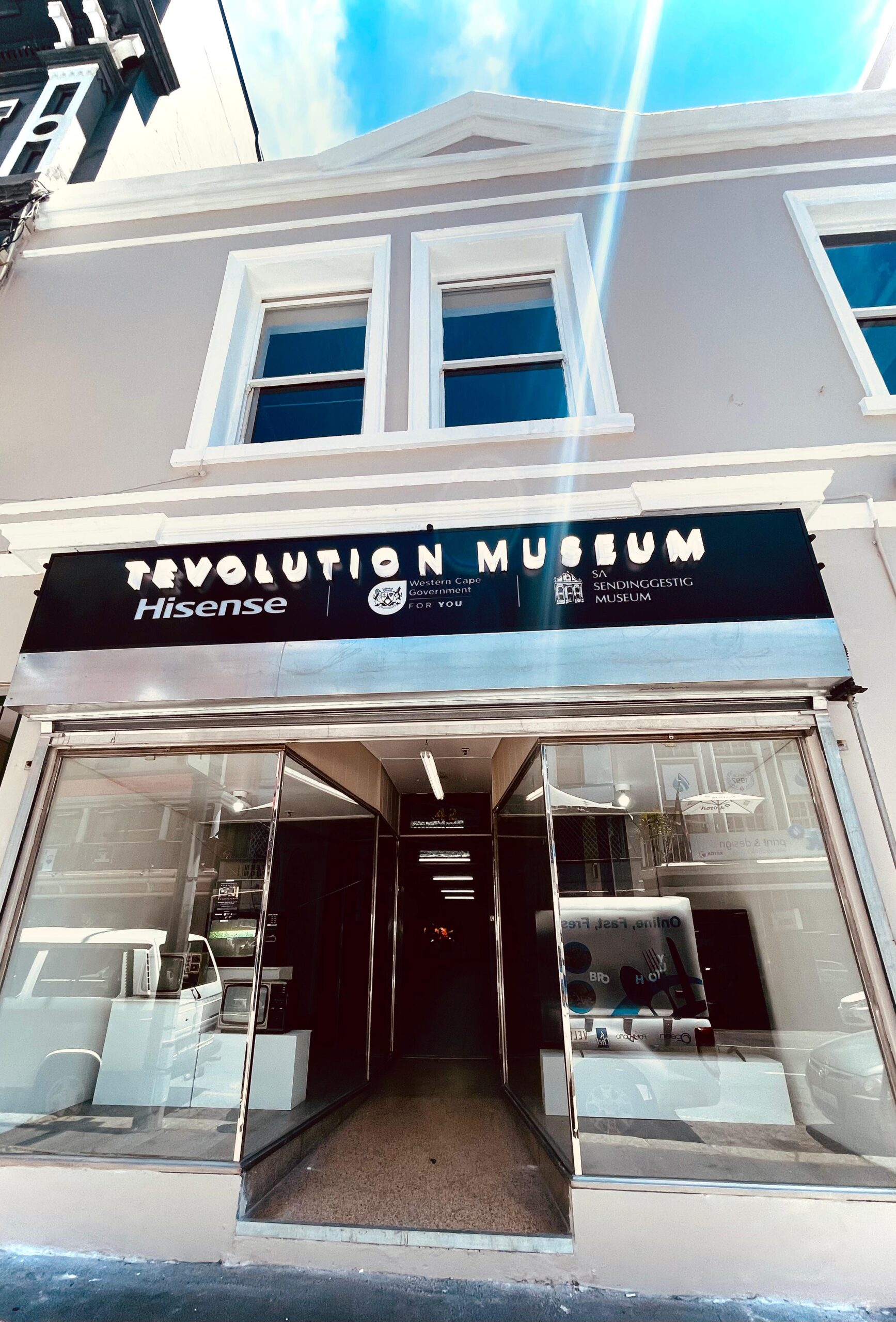
This deep-rooted connection to television is the backdrop for Hisense South Africa’s latest initiative: the Hisense Tevolution Museum in Cape Town, an invitation to explore the past, present, and future of a technology that has captivated the nation.
March, a month historically significant for television, serves as the perfect occasion for this celebration. It was in March 1983 that Michael Jackson’s televised moonwalk sent shockwaves through pop culture, a moment etched in the collective memory of millions. Decades earlier, in March 1951, the first coast-to-coast live television broadcast in the USA revolutionized how people experienced news and entertainment. These milestones, among others, underscore the profound impact of television on society.

From Global Moments to Local Impact
Hisense, a major player in the South African television market, is leveraging this rich history to highlight its own contributions to the local landscape. The company’s Atlantis manufacturing facility, a cornerstone of its South African operations, tells a powerful story of local investment and job creation. The industrial park has generated over 1,000 direct and 5,000 indirect jobs, a significant contribution to the regional economy.
“Hisense places great emphasis on developing local talent,” a sentiment echoed by employees who have been with the company for over a decade. The factory produces a staggering 10 million TVs and 500,000 refrigerators annually, not only for the domestic market but also for export to over ten other African countries and even Europe
This commitment to local production will be a key focus at the upcoming WeBuyLocal Summit, where Hisense will showcase its role in bolstering South Africa’s manufacturing sector. The summit provides a platform to connect the dots between global technological innovation and its tangible benefits for the South African economy.

A Screen-Empowered Nation
The Hisense Tevolution Museum offers more than just a nostalgic look at television’s past. It provides an educational journey through the evolution of screen technology, from the bulky cathode-ray tube (CRT) sets to the sleek, AI-powered smart TVs of today. This is particularly relevant in a country where 89.2% of households own a television, and the demand for smart TVs is surging, driven by the popularity of streaming services.
South Africa’s love affair with screens extends beyond the living room. The nation leads the world in overall screen time, with citizens spending an average of 9 hours and 24 minutes per day on their devices. This high level of engagement presents both opportunities and challenges, making the museum’s exploration of the science and technology behind our screens all the more pertinent.

An Invitation to Explore
Hisense is extending a special invitation to schools, families, and tourists to visit the Hisense Tevolution Museum. The interactive exhibits offer a unique learning experience, connecting the dots between history, science, engineering, and pop culture. For a generation growing up in a digital world, understanding the evolution of the screens that shape their lives is more important than ever.
Hisense has also engaged with the Western Cape Education Department to explore structured school visits and curriculum-aligned learning experiences at the Hisense Tevolution Museum. By giving young people hands-on exposure to the history and evolution of television technology, from early broadcast production to today’s smart displays, the museum aims to ignite curiosity and inspire future technological trailblazers.
As March unfolds, a month that has repeatedly redefined our relationship with television, Hisense’s initiative serves as a timely reminder of the technology’s enduring (and surging) power. It’s a story of global moments and local impact, of a nation’s fascination with the small screen, big screen, and of the innovation that continues to drive the future of viewing.